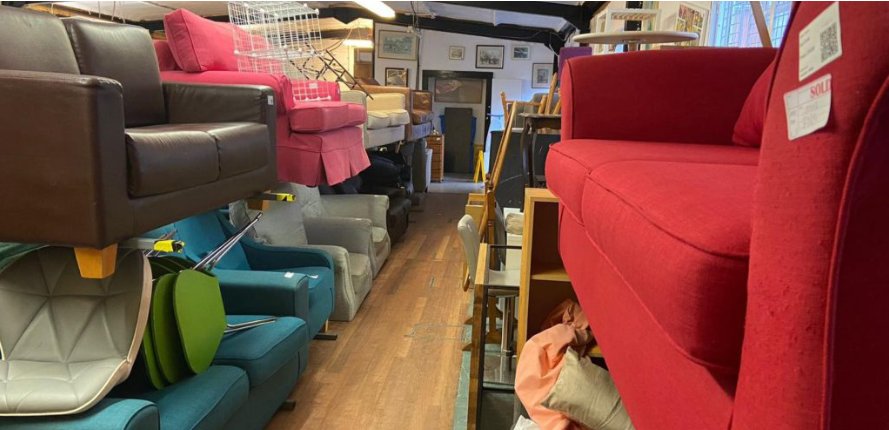
Image Taken from RFS website
Week 1 –
The Warehouse
Training in the warehouse to learn about the system used alongside customer services, before getting into social media/marketing.
Through research beforehand, I knew what RFS’ aims were, but this week gave me inside experience into exactly how we meet them:
“Making Homes, Protecting the Environment, Building Community”
Not only did it improve my knowledge, but it will inform my content creation in understanding our messaging, audience etc. and gave me content ideas, like a ‘Favourites of the Week’ carousel of warehouse items.
It reminded me that strategy is important, e.g. everything we sell are donated items, so content should reflect its importance.
Additionally, having never worked an official formal role before, especially in customer services, I was anxious about customer interaction. However, on my second day I offered to independently serve someone while the manager was unavailable, learning that I enjoyed it and will take initiative.
Week 2 –
Reports
This week I was directed towards creating an impact report, started designing it, began capturing content and also shadowed the Richmond Council Communications Manager.
I had a few meetings with the CEO about designing an impact report and its considerations, like branding and call-to-actions etc. I was also provided an example from a partner organisation, to be inspired by (below).
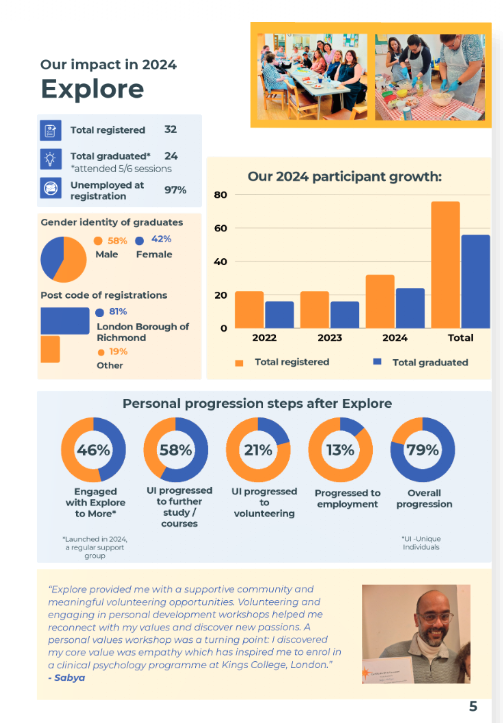
Although I was worried as I had never designed an impact report, my notebook note-taking played a huge part in ensuring I knew what to include without feeling overwhelmed, so I was excited to try it out.
In designing, I struggled with the brand colours as they were quite limited. Consequently, I first designed with a specific colour palette, and later created another option to choose from. This was beneficial to make decisions efficiently:
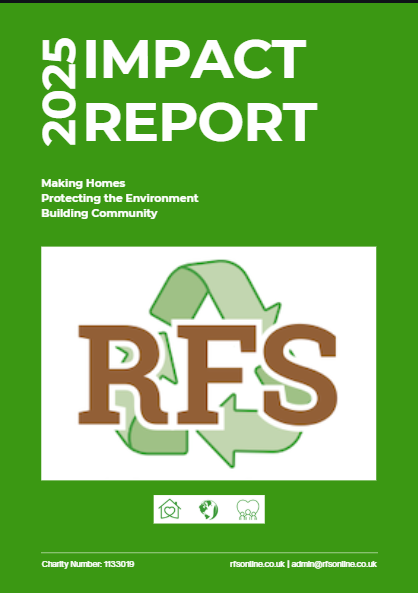
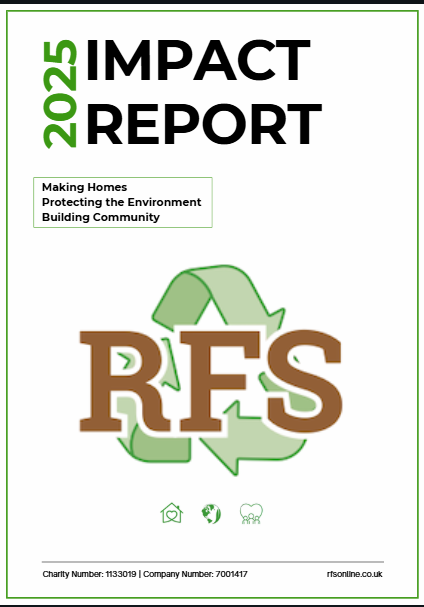
I was strategic in ensuring it met its objective of showcasing impact, by creating 3 main sections based on their aims. I then analysed data, collected within their Microsoft Power BI dashboard, to summarise as graphics and statistics (instead of sentences).
The Communications Manager for Richmond Council also visited us to capture content that will be posted on their social media for Circular Economy Week. I shadowed her process: finding multiple locations within RFS and taking photos alongside videos for options, to efficiently meet her brief. Therefore, I gained insight into content creation in a professional context and made a connection.
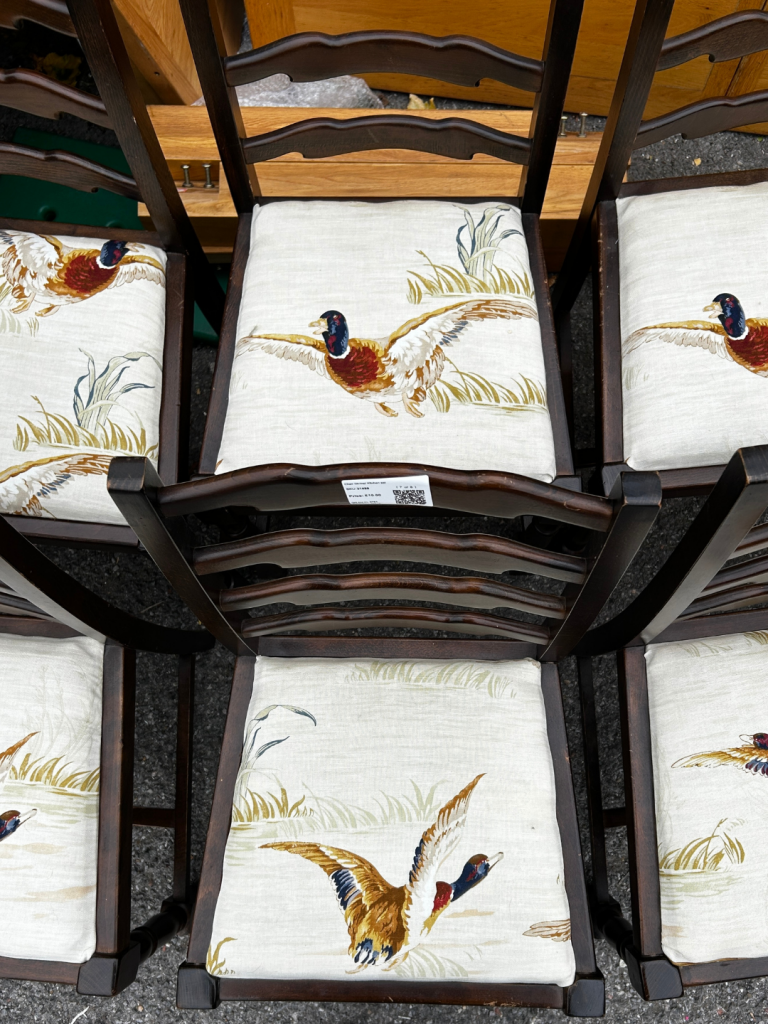
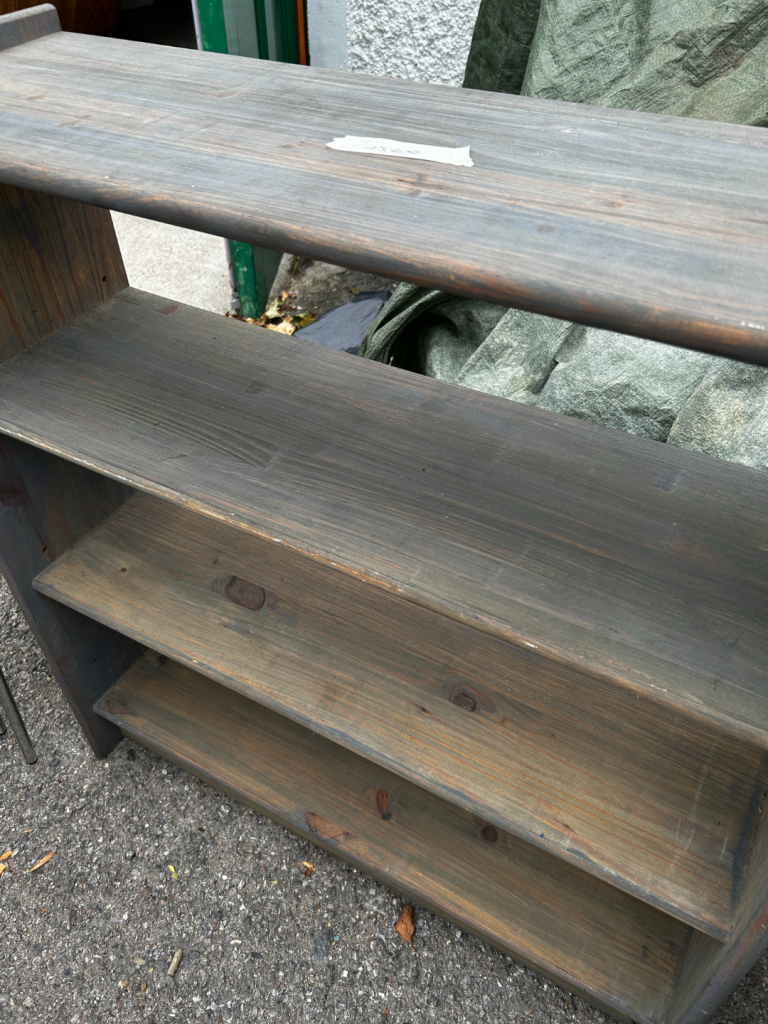
During the process, I took my first social media photos, plus photos of furniture items I liked for the ‘Favourites of the Week’ idea:
Week 3 –
Favourite items
Drafted posts for Instagram and LinkedIn, and also TikTok to start planning how to expand content. Presented my impact report, so far, to the Co-Founder of Shepherd’s Star and the RFS CEO for feedback.
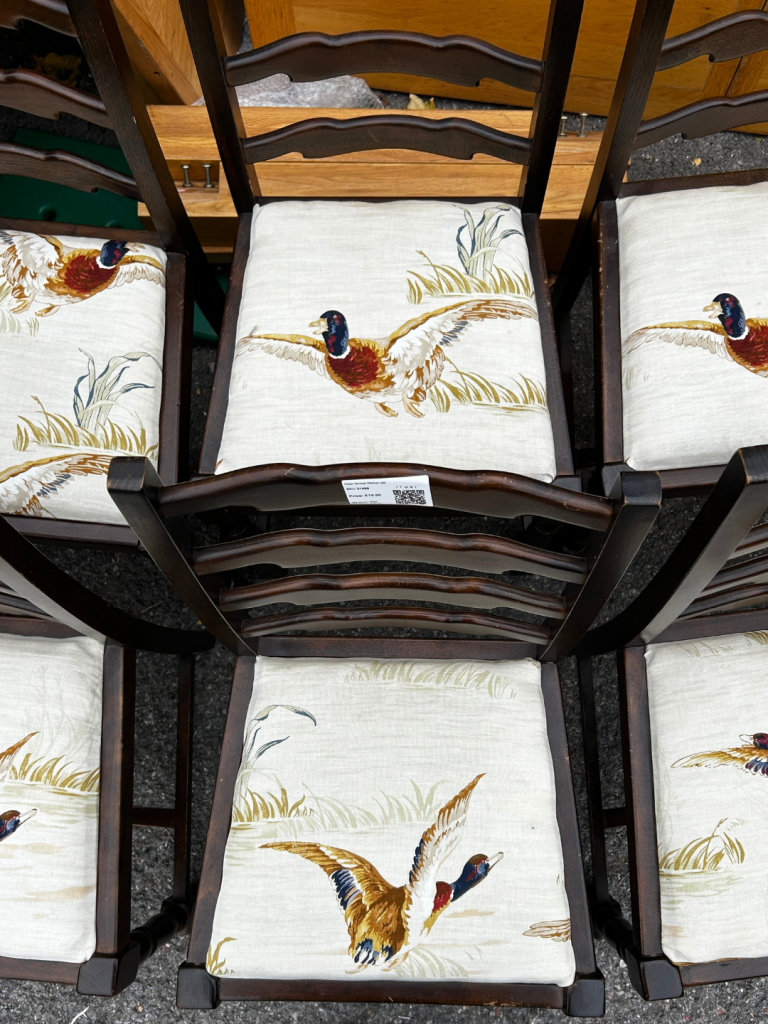
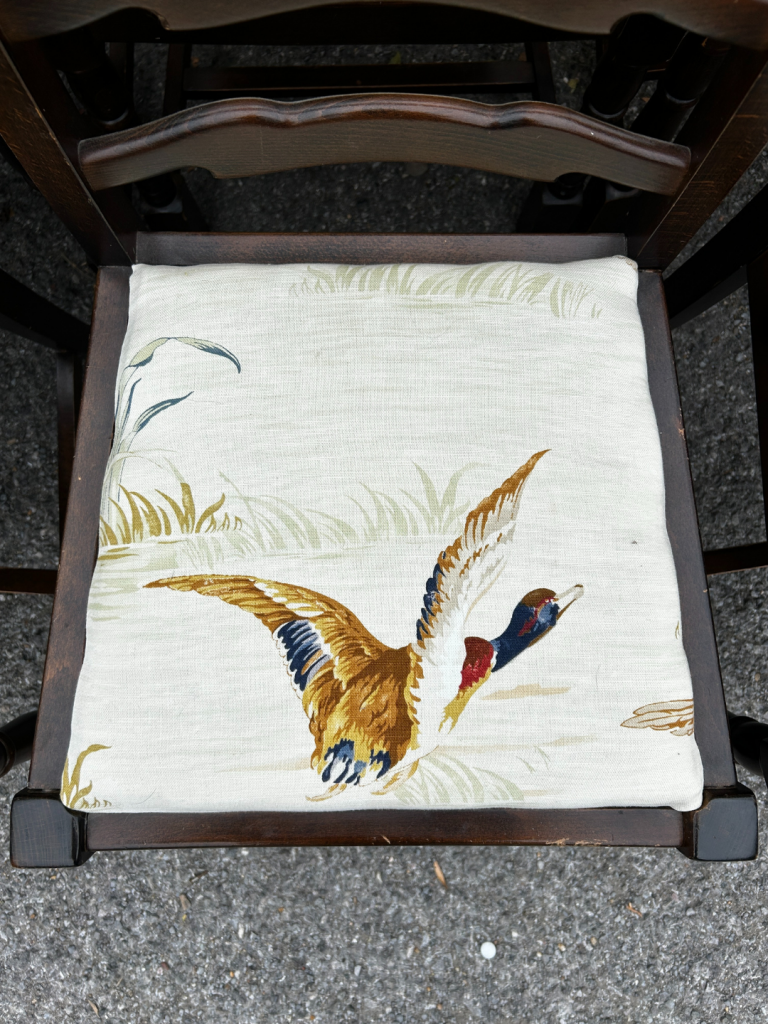
The content I captured last week, I used to draft my ‘Favourite Items of the Week’ idea. For the Instagram post, I highlight my favourite items, so I selected photos accordingly. For TikTok, I also wanted to rate these items to align with trends for engagement, so I selected extras I thought were suitable:
For LinkedIn, I used the photos I took while shadowing for a ‘Behind the Scenes’ post, as it had a professional message that aligns with LinkedIn’s audience:
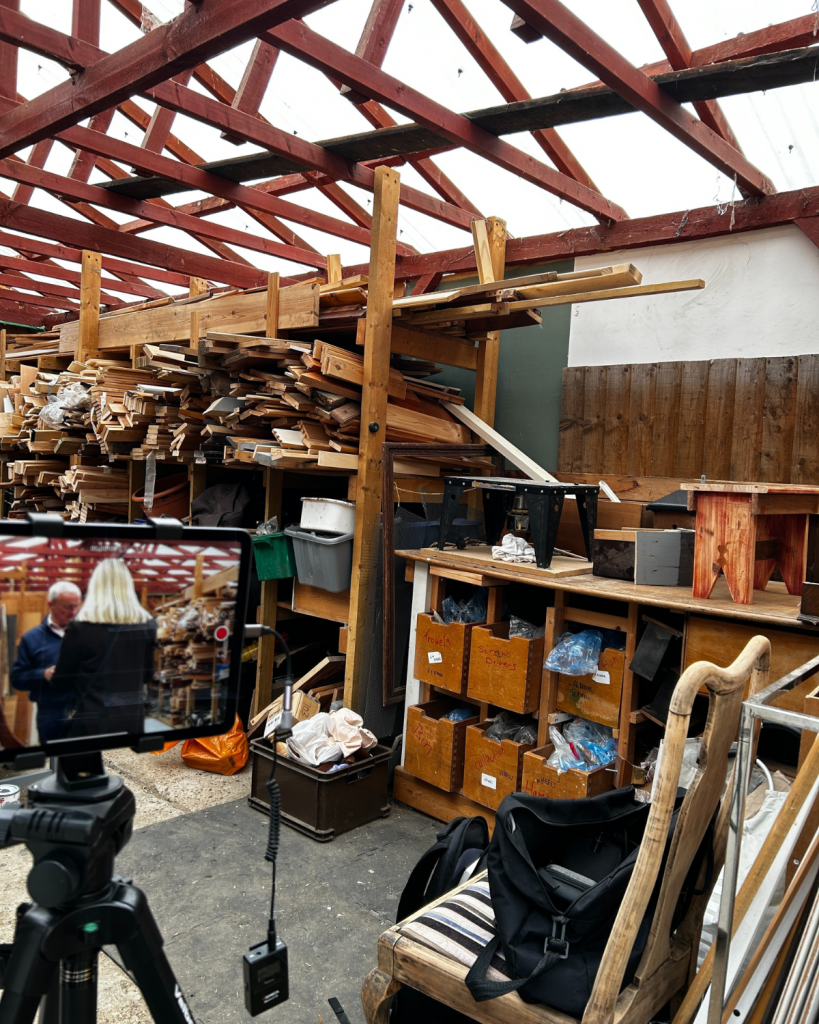
I optimised each post according to platform by varying: post size, copy, tags and hashtags, helping align with each audience. I included call-to-actions pre-written by RFS and music on the Instagram post. Moreover, I started testing specific posting times to help inform future posts. Ultimately, for better engagement and to increase visibility, driving viewers to RFS.
In presenting the report so far, I made a connection with the Shepherd’s Star Co-Founder (who created the example report, above). I also received constructive criticism from the CEO for report refinements. I found that I didn’t take it personally but rather took it as an opportunity to improve. I was, however, nervous in the process of backing up my decisions where needed, as this required confidence to further decision making, but my note-taking prevented overwhelm.
Week 4 –
The Fair
I attended the Full of Life Fair to film a video. With this, social media requests and my own spontaneous capturing of content in mind, I needed to improve my organisation.
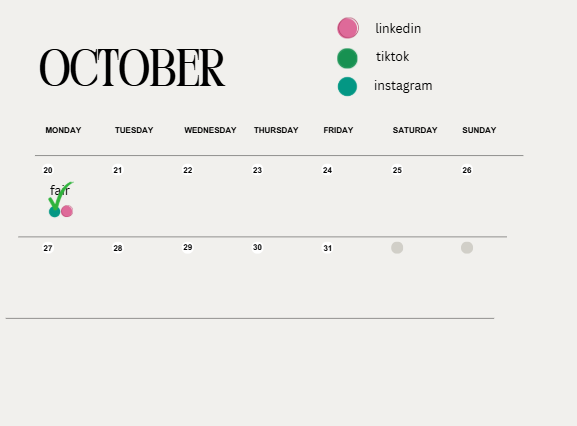
I decided to design a content calendar noting: ideas, target audiences, aims, posting days and platforms. This provided clarity, helping me post on schedule and know what I’m doing day-to-day:
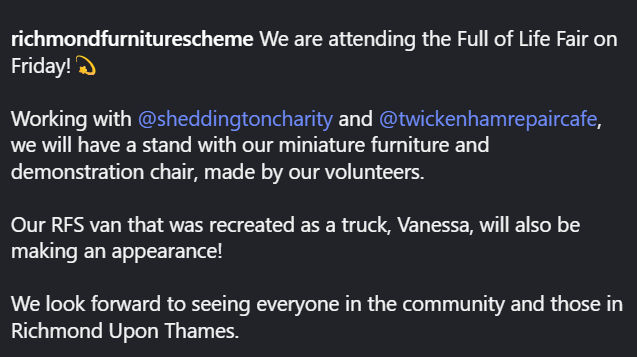
The Full of Life Fair, hosted by the Richmond Council, aims to supply older residents with information for their wellbeing. I was requested to join my managers to capture content, plus create an announcement post of our attendance. For the caption, I looked into previous posts to align with the approachable but professional tone and included an emoji for visual engagement. I went back to a previous caption to do the same, and kept it in mind for future captions:
I planned a behind the scenes video for the fair, researching the fair and looking for inspiration from others in the industry. I thought of its aims:
- Personable through visuals, contrasting other posts
- Informative through insights in the caption
and where it can be posted to maximise engagement (LinkedIn, Instagram, TikTok), by researching what performs well on each platform.
Inspiration:
https://www.instagram.com/reel/DP4B63EgroZ
https://www.instagram.com/reel/DPvPT3ZiDvY
At the fair I:
- Took footage (with permission from individuals)
- Shadowed the Digital Communications Officer for Richmond Council, who created video interviews with the Mayors and Councillors in attendance for their opinion on the fair
- Asked them interview questions and watched the process
The Mayors/Councillors were understandably preoccupied, so it was disorganised and chaotic to film. However, I adapted to balance my tasks, found it exciting and learnt how filming works practically, which is to attain much footage.
As the organisers were unable to ask everyone for permission, I found it tricky to navigate filming, so I avoided showing faces by filming attendees’ from behind.
Week 5 –
Editing
Used the constructive criticism and additions to improve the report and edited the FOLF reel, making decisions about its aims.
Previously, I was provided areas for improvement alongside the next steps for the report. This included, e.g.:
- Understanding the data dashboard better
- Using the Annual Report (2024-25) for data and consistency in phrasing words
- Defining terms and changing some graphs
- SROI and social impact value additions
Using my notes and extra resources provided, I made these and more improvements. I also kept these improvements in mind, by ensuring I included them in new pages I designed.
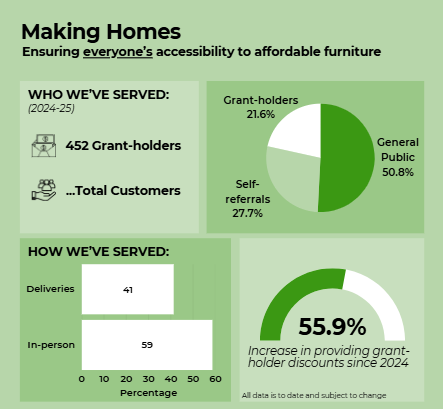
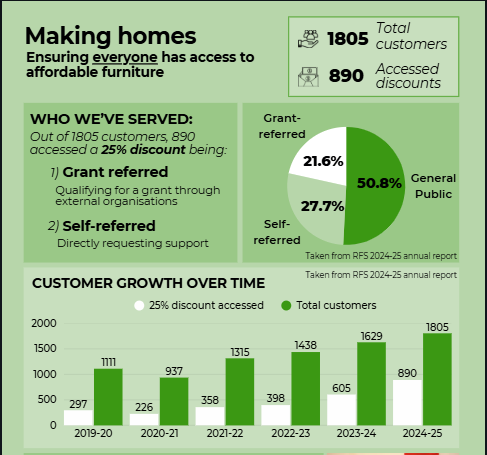
I added SROI sections across 2 pages, understanding its aim to make decisions of what to include to avoid overload. This followed with another meeting where I was told it was very good, with some corrections. I was pleased to know it’s meeting expectations and felt I had further clarity on how the organisation works.
Additionally, I looked into insights on each platform I use to better understand what timing works and what content to continue posting, e.g. behind the scenes posts and posting after 4pm on Instagram/Facebook.
With the FOLF footage, I was pleased to have focused on filming behind attendees as I had enough footage. There were a few issues I resolved while editing:
- The focus was on promoting the fair = I cut it down to focus on what RFS does
- My plan was to have event insights in the caption, but there weren’t specific insights to discuss = adapted this to include RFS achievements and, in future, will better understand the event to plan accurately
I also posted the ‘Favourites of the Week’, feeling as though I should finish the series soon as the audience may not want them anymore. However, an upholstering professional with 182k followers (Instagram) commented:
“Great idea to have a favourite of the week post. Love it”
which motivated me.